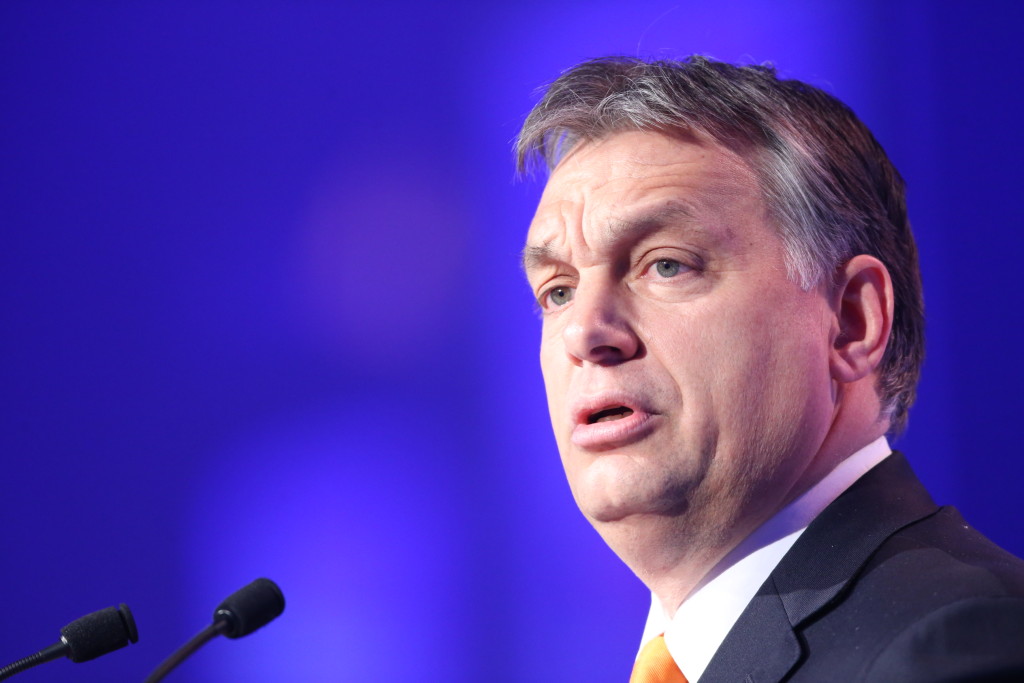




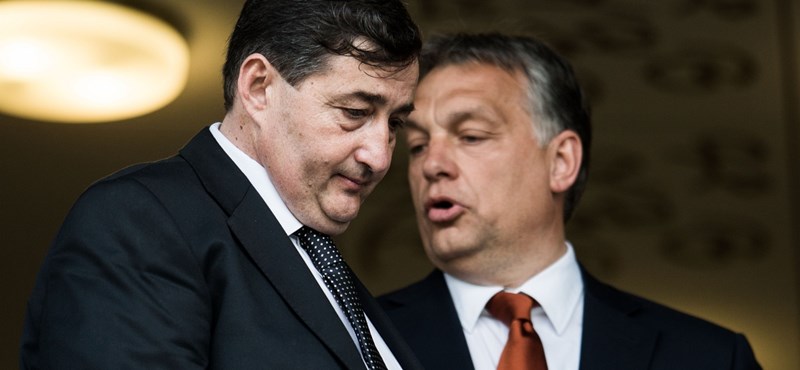
Hungarian Prime Minister Viktor Orbán would make an excellent magician. While he diverts people\'s attention with one hand, he steals with the other. Often literally.
We may recently often hear that something is a \"Putinesque measure\". However, in Hungary, the governing party Fidesz, lead by Prime Minister Viktor Orbán, is really using Putin’s solutions as its point of reference. Let’s see how similar Orbán’s and Putin’s methods are.
Just like communism, Orbán’s regime is unsustainable and doomed to fail. Just like the communists, the current government sees only the collective, rather than the individuals. And the individuals who don’t share Orbán’s illiberal ideas are getting angry.Once again, they want liberty.
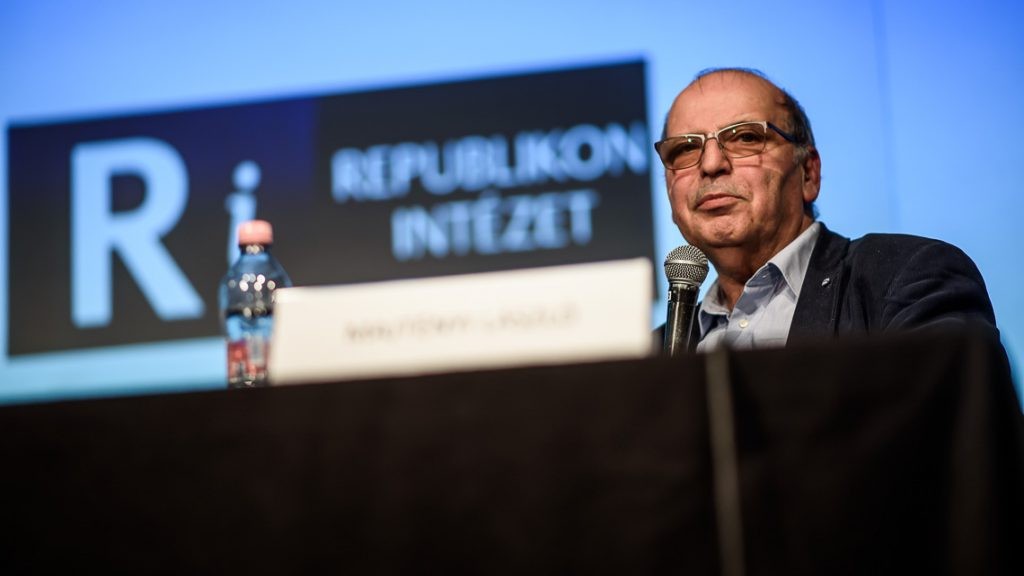
Since according to the constitution, the Hungarian president can be elected by a simple majority, it was clear that János Áder would triumph once more. The less predictable outcome was that the small, often disputing with one another parties of the left-wing liberal opposition lined up behind a credible, well-respected candidate: László Majtényi.
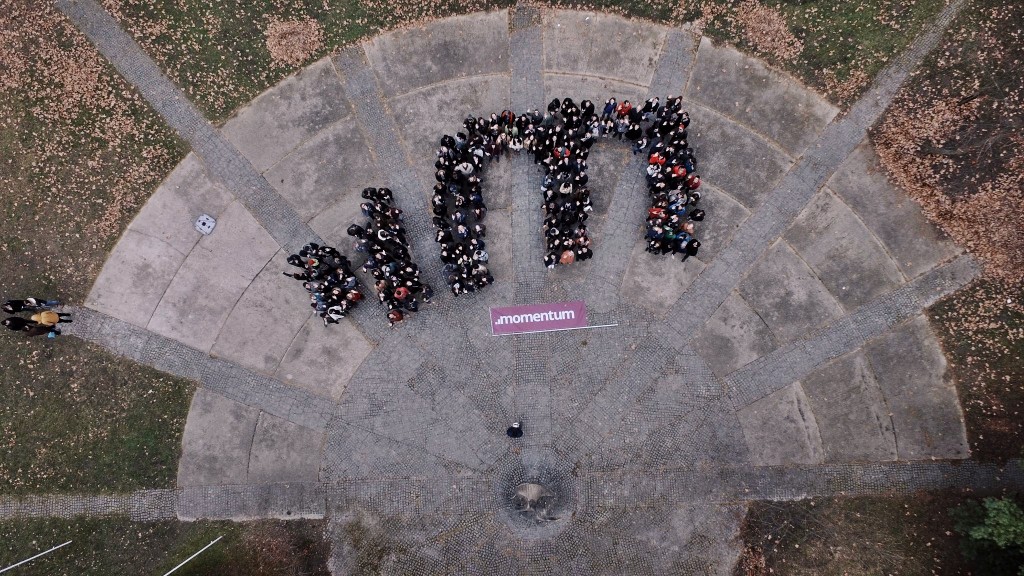
As for the voters, Momentum also aims to attract the huge proportion of uncertain voters that wish to change the current government but cannot find a real alternative. The party’s main long-term goal is to complete the change of the regime.
The extremely low, 10%-level of female MPs in the Hungarian parliament, and the lack of inequality issues in the political agenda makes it quite relevant to try better know and understand the problems concerning men and women in Hungary as perceived by the voters and the possible social-demographic factors behind them.
We must not remain silent, we must not accept fear. The government is still in power because it made people believe that it will protect them from the immigrants, NGOs, the EU and capitalistic and imperialistic American interests. And in the meantime they make people terrified of dissent.
With no independent media, no checks and balances, no civil oversight, one of the most corrupt governments in the EU can expand on its already immense powers and get even closer to Putin’s Russia. But it is not too late to act and save what remains of civil society in Hungary.
The non-partisan or opposition media in Hungary is in decline as the influence of the government increases, since the populist governing party owns a large part of the local media. The government takes more and more drastic steps to silence voices of dissent.
While it might be too harsh to say that Hungary was near bankrupcy in 2010, or when it was put in the junk category in 2014 we could argue that it was only an overreaction of the market. Still, it would be wrong to say that ’Hungary is doing better’, especially on the regional level.