




![2025 – Year of Challenges and Uncertainty [4liberty.eu Newsletter]](https://4liberty.eu/phidroav/2025/02/newsletterfin-1024x1024.png "2025 – Year of Challenges and Uncertainty [4liberty.eu Newsletter]")
The January issue of the 4liberty.eu Newsletter provides an overview of the articles published on the 4liberty.eu website, serving as a starting point for further exploration.

Zsofia Klara Bella (Republikon Institute): Trends and Tendencies in Participatory Budgeting: City Government and Local Democracy in Budapest
The use of participatory budgeting (PB) has appeared in more and more democratically governed municipalities in recent years. According to the 2021 book “World Atlas of Participatory Budgeting,” this method is widespread primarily in Europe and secondarily in South America, in which the residents of the city can propose the use of a certain amount from the municipality’s budget.”

Ernestas Einoris (LFMI): Pension Dilemma: Lesson from Estonia
Next year, participants in Lithuania’s second-pillar funded pension system will face a personal financial referendum: to stay and save, to withdraw and leave, to transfer savings to the third pillar of the pension system, or to invest independently. Estonia tried the same approach in 2021, and economists at its central bank assessed the consequences. Estonia’s experience is highly relevant for Lithuania – similar outcomes are plausible here as well.

Martin Panek (Institute for Liberal Studies): 250 Years of Pursuit of Happiness
In 1776, three texts appeared almost simultaneously that helped define the political and moral architecture of the modern world. Thomas Paine’s Common Sense gave popular voice to the radical idea that political authority must rest on reason and consent rather than tradition. Adam Smith’s The Wealth of Nations provided a systematic account of how prosperity emerges from freedom, specialization, and exchange.

Latchezar Bogdanov (IME): Yet Another Missed Opportunity for More Free Trade and Growth in the EU
By a narrow vote, the European Parliament has effectively blocked the entry into force of the partnership agreement with Mercosur. This is yet another failure by the EU to improve its prospects for prosperity and economic transformation. The agreement that was signed is a step in the right direction, but delaying it means accumulating lost benefits—at a time when growth in the core of the euro area is dangerously close to zero.

Vitaliy Kravchuk, Iryna Kosse, Oleksandra Betliy (IER Kyiv): 2025 – Year of Challenges and Uncertainty: MEMU Team’s Perspective
2025 became another year of war, resilience, and adaptation for Ukraine. Russia’s full-scale war against Ukraine continued and resulted in territorial losses, destruction of energy facilities, and other critical infrastructure, including railways and seaports. Therefore, according to IER estimates, real GDP grew by approximately 2%.
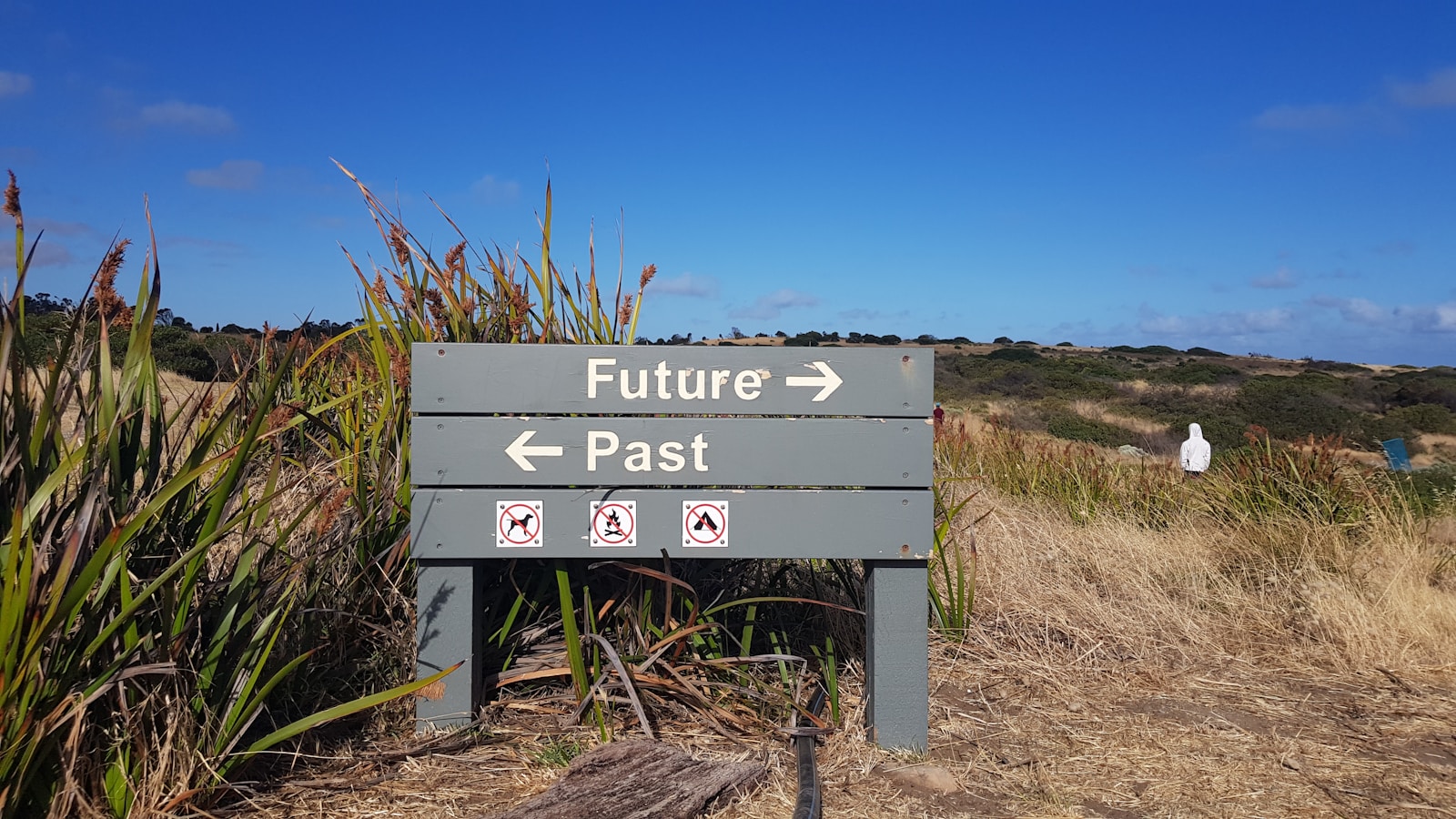
Jakub Andrzej Luber (Liberte!): 26 Opportunities and Threats of 2026
After recent years filled with tragic events, conflicts, and global pandemics, many of us are, above all, hoping for a breakthrough in the form of an ending. An end to populism, an end to war, or an end to the right-wing offensive launched by Trump in 2024; an offensive that has swept across Europe, both Americas, and is steadily pushing us toward an open war with Putin’s Russia. At the same time, however, we should be prepared for the possibility that 2026 will mark the beginning of… the end.