

Crises, particularly so severe as the one we are currently facing, have the inevitable habit of redefining the way our economic life works. The way people work, as well as the very labor market itself, will undergo significant changes.
If the ongoing lockdown – unprecedented on this scale in the modern history – is to continue for another three months or longer, we will bear witness to an economic and humanitarian catastrophe. What might follow is a massive and unpredictable social rebellion.
The restructuring of the state in a latently authoritarian direction is being pushed even further. The government’s worrying trend is particularly evident in the way it is trying to instrumentalize the COVID-19 crisis for the upcoming presidential elections on May 10.
Do you know how to do it? You know, a corpulent guy, that politician or whomever, demonstrated it on TV. Just turn the tap on. No, don’t worry, they promised us they are reducing the water price. They even took over that company that billed us.
On March 30, 2020, the Hungarian Parliament passed the so-called \"Enabling Act\". In the future, Prime Minister Viktor Orbán will, therefore, be able to govern by decree without parliamentary approval. Despite the spread of the new coronavirus, this shouldn\'t have happened.
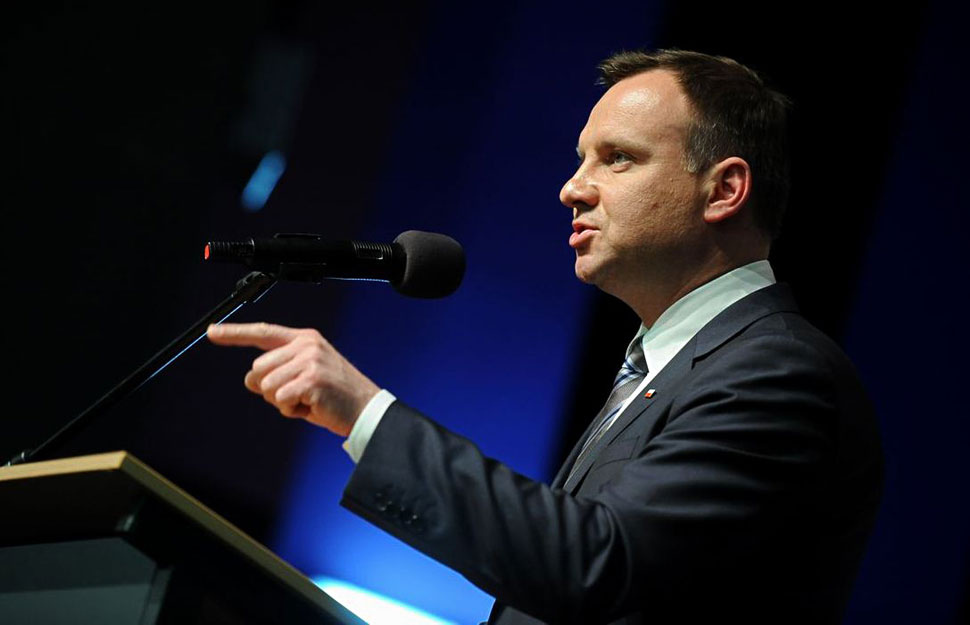
Amid the pandemic outbreak of COVID-19, the ruling Law and Justice (PiS) party in Poland shows no intention of postponing the presidential elections scheduled for May 10. The outcome is likely to be deemed illegitimate. Will this be the last straw for Polish democracy?
The Czech government banned manufacturers to sell respirators and masks to anyone but the legal entities established by the state. Public hospitals are NOT legal entities established by the state in the Czech Republic. Ouch.
Quarantine increases people\'s desire to study and learn. On March 25th the third national economics exam, organized by the Lithuanian Free Market Institute, attracted a record number of participants (10,963). The motto of this year’s exam was “There is a human being being every number.”
Oman started 2020 off on the right foot when it comes to economic freedom. A new Foreign Capital Investment Law (FCIL) came into force to visibly lower barriers to foreign investment in the Sultanate. The crucial change is that 100% foreign ownership is now possible in Oman.