


editorial partner Liberte! Friedrich Naumann Foundation

society

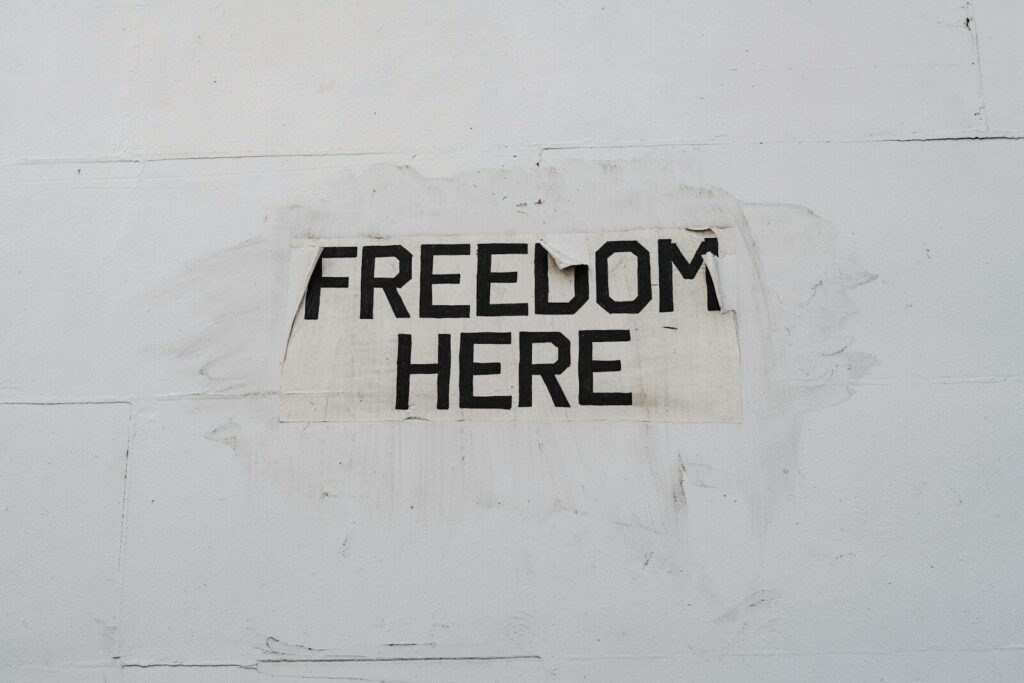
Flags over Rubbish: Cuba’s May Day and Ruins of Communism
Economy
Flags over Rubbish: Cuba’s May Day and Ruins of Communism
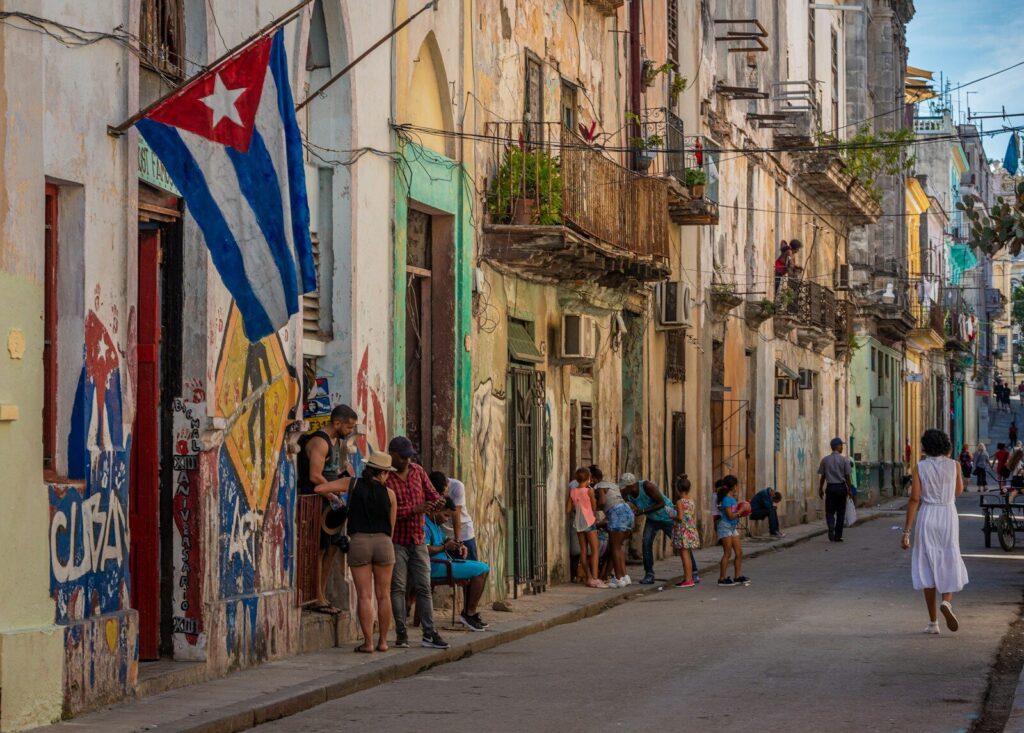
The catastrophe cannot be explained by the embargo alone; Cuba’s deeper tragedy is the system itself — one that promises dignity to the worker while making ordinary work meaningless, underpaid and morally absurd. That is why today, according to media reports, Cubans lack even the most basic foods: rice, chicken and other everyday products, available only through ration cards after long hours in queues.
Is Labor Market about Conflict or Creating Value?
Economy
Is Labor Market about Conflict or Creating Value?
Anthropologist Clifford Geertz famously described culture as a web of narratives. The way societies understand the labor market is one such narrative — and it matters, because the story we choose shapes how we regulate and manage economic life.
I Want More: Hunger That Makes Us Human
Society
I Want More: Hunger That Makes Us Human
“I want more!” – the refrain of Lion Ceccah’s song, chosen to represent Lithuania at the Eurovision Song Contest, seems to have touched something deeper than pop taste alone. Eurovision is Europe’s great annual song contest: a glittering spectacle, a national showcase and a shared cultural ritual watched by millions. For a few minutes on that stage, a country’s song becomes its voice to the world. And Lithuania’s voice this year says: I want more.
Will EUphoria Last in Hungary?
Politics
Will EUphoria Last in Hungary?
For a long time under Orbán’s illiberal regime, the common sentiment on the street was that the EU should intervene to help Hungarians. This was, of course, unrealistic, and should the EU have intervened more, Orbán would have used it to get Hungary out of the Union. The EU, however, is still in the focus of sentiments on the streets.
How Does Political Instability in CEE Shape Critical Thinking of Younger Generations?
Society
How Does Political Instability in CEE Shape Critical Thinking of Younger Generations?
Over the past 100 years, the region of Central-Eastern Europe (CEE) has always faced distinct kinds of uncertainty; political instability, armed conflicts, geopolitical problems and corruption. The constant fluctuation of the value of money, the frequent changes in constitutional law, economic instability, and inflation have also been leading factors in this continuous uncertainty.