




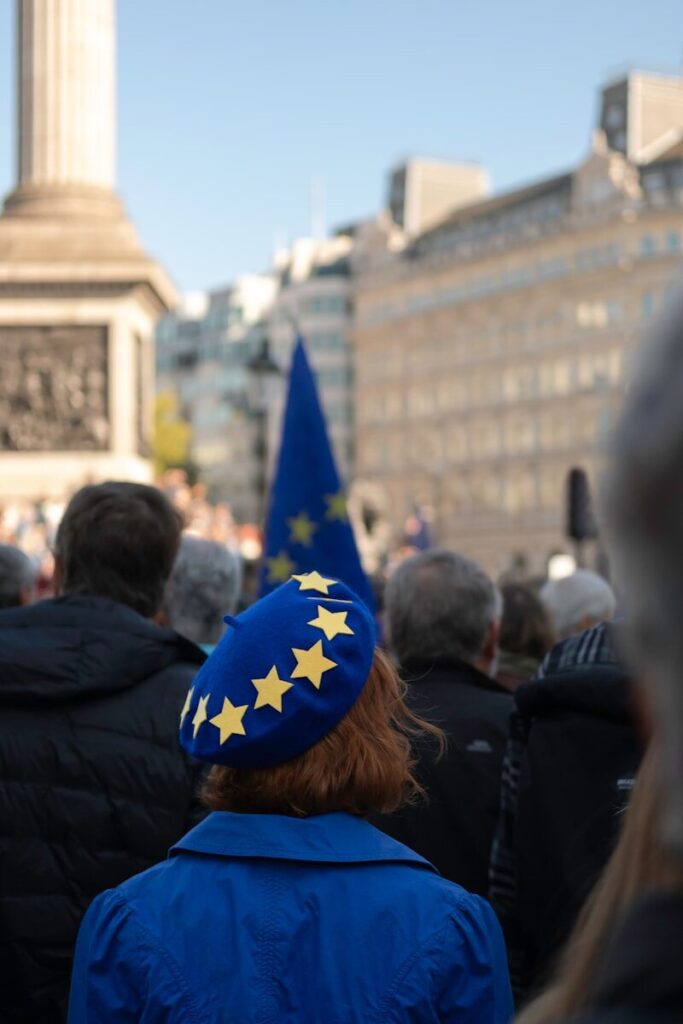
For a long time under Orbán’s illiberal regime, the common sentiment on the street was that the EU should intervene to help Hungarians. This was, of course, unrealistic, and should the EU have intervened more, Orbán would have used it to get Hungary out of the Union. The EU, however, is still in the focus of sentiments on the streets. Therefore, Hungary will have to repair its relations with the EU while carefully balancing national interests over federalist tendencies.
The new Hungarian government will have a hard job, rebuilding rule of law, ending a system of nepotism, and fixing the economy. However, one of the most pressing issues is repairing the relationship with the EU. Some of these issues are related as the Hungarian government aims to unfreeze EUR 10.4 billion of funds the EU has withheld due to high corruption, infringement of EU law and the erosion of rule of law by the Orbán government.
This will be a hard task as there ara lot to do, most importantly setting up mechanisms ensuring the corruption not only ends, but the embezzled funds are seized. Negotiations are already underway, but the EU only wants to release parts of the funds – the grants, and not the loan. Time is pressing Hungary has to apply for the funds by the end of summer.
So far, it seems there is mutually openness and cordiality, but the two sides should do theur utmost to get things done quickly and unfreeze the whole of the funds. The Hungaran government will continue to do a superhuman job, as evidenced by Tisza’s campaign of working day and night to meet the criteria. Not only because that is what the EU wants, but because that is what Hungary wants too. The EU should welcome Hungary back to the Union and, as a token of good will, release all the funds.
Orbán has used the EU as a scapegoat. All the ills that befell Hungary, mostly due to the policies of Orbán were blamed on external enemies. The EU was such a designated foe. In the last weeks of the campaign Orbán was spewing out paranoid speeches of Tisza being controlled by Brussels and Kyiv, and if they win people’s money will be taken from them and people will be shipped off to die in a war in Ukraine. Fortunately Hungarians saw Orbán for what he is: a doddering old fool, who lost all track of reality, shouting from the ivory tower he built from stolen money.
Despite Orbán’s wholly anti-EU and pro-Russia stance, Hungarians did not share his views. Three quarters of Hungarians trust the EU while only 15% have no trust in it. 95% of Tisza voters trust the EU and even the majority of Fidesz voters trust. In fact Hungarians trust the EU more than any politicians, media or judiciary according to an ECFR poll.
This was not the first time Orbán decided to go against a group the majority of people trust. The previous, illiberal Hungarian government liked to pass laws against the LGBT+ community as a red herring to draw attention from things that the governing party Fidesz perceived as harmful, such as the struggling economy or corruption. Such was the rationale behind banning Budapest pride. However Hungarians were against the ban, and a record number of people attended the event despite the political pressure as a protest against Orbán.
Orbán lost his touch and could no longer gauge the nuances of the public psyche, despite being masterful at it years ago. The new government, however, rode the waves of disdain for Orbán and the yearning for western values perfectly. If it wants to continue enjoying the never before seen support in Hungary, Tisza must balance between being pro-EU and standing up for Hungarian values. The government must criticise the EU and stand up to it on issues that do not benefit Hungary, such as overregulation. This however should be done in a friendly and calm manner, from a position of partner rather than adversary.
Hungarians want to see a government that shares in their trust of the EU, but also one which represents Hungarians and not EU bureaucrats. That way the euphoria Hungarians feel after the elections can be maintained for the benefit of both Budapest and Brussels.