


editorial partner Liberte! Friedrich Naumann Foundation

Martin Vlachynsky

ABOUT Martin Vlachynsky
Analyst at the INESS. After previous cooperation, he joined INESS as a new member in 2012. He graduated from the Faculty of Economics and Administration of the Masaryk University in Brno, and subsequently completed his master's degree at the University of Aberdeen. He deals with economic policy, business environment and competitiveness, especially in healthcare, retail and energy. His regular projects include the Bureaucratic Index and the Health for Money Index
Freezing Point
Economy
Freezing Point
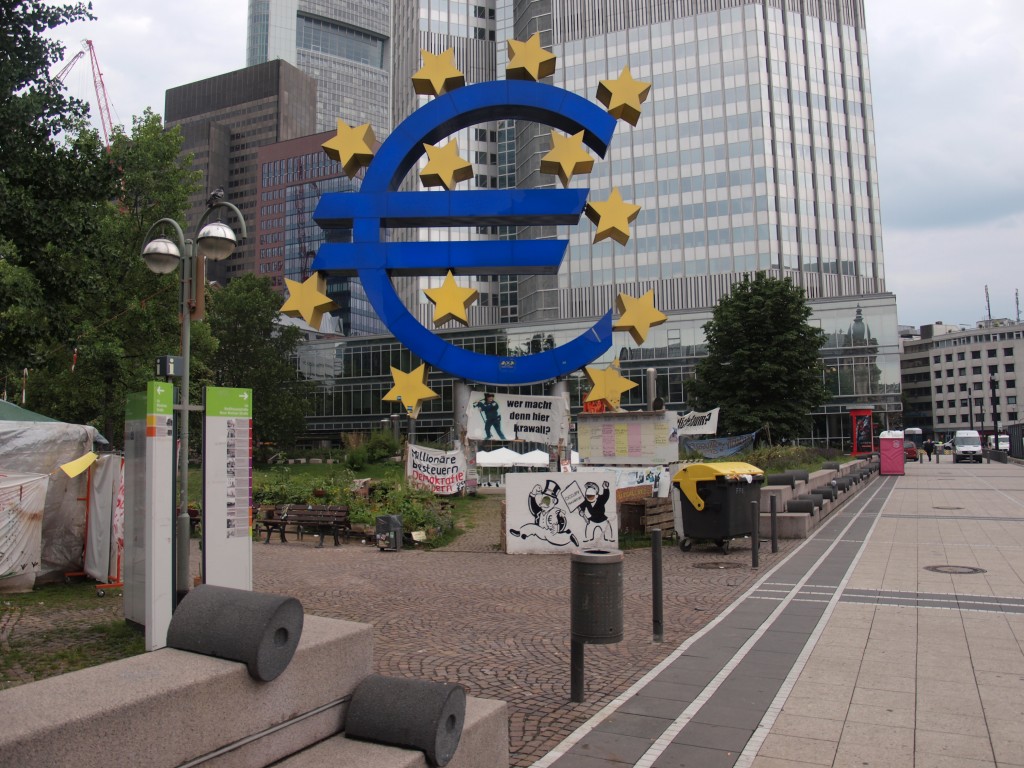
Clueless looks of politicians will be once again drawn to the ECB. In addition to reports on starting recession, they are supported also by the legend of deflationary spiral that regularly emerges from monetary depths to destroy the shoots of economic success.
Better Times
Politics
Better Times
Brussels occasionally gets sober from the intoxication of spectacular goals and strategies, paid by citizens. But sobering means that the goal is slightly less grandiose but in the end, likely purposeless and economically harmless.
Flat Tax: What Is Important And What Is Not
Economy
Flat Tax: What Is Important And What Is Not
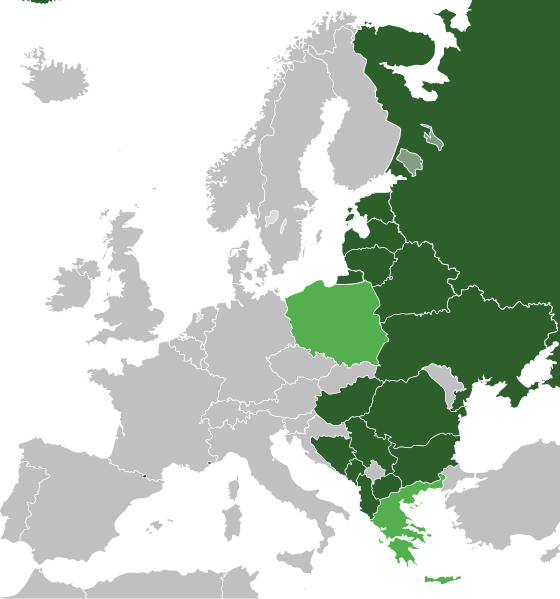
The \"Flat Tax Era\" in Slovakia came to a definite end on 1st January 2013. Corporate tax rate of 23% (highest in the whole Central and East European Countries region by the way) became valid instead of the 19% rate. This was considered to be the last nail in the flat tax coffin.
The Land of Our Fathers
Politics
The Land of Our Fathers
On May 1, 2014, the ten years long ban for foreigners on buying land in Slovakia comes to an end. The EU’s philosophy is that the European citizen is at home in every member country of the Union and this entails the possibility to buy an agricultural land. Thus, Slovakia and other member states are obliged to loosen these restrictions.