




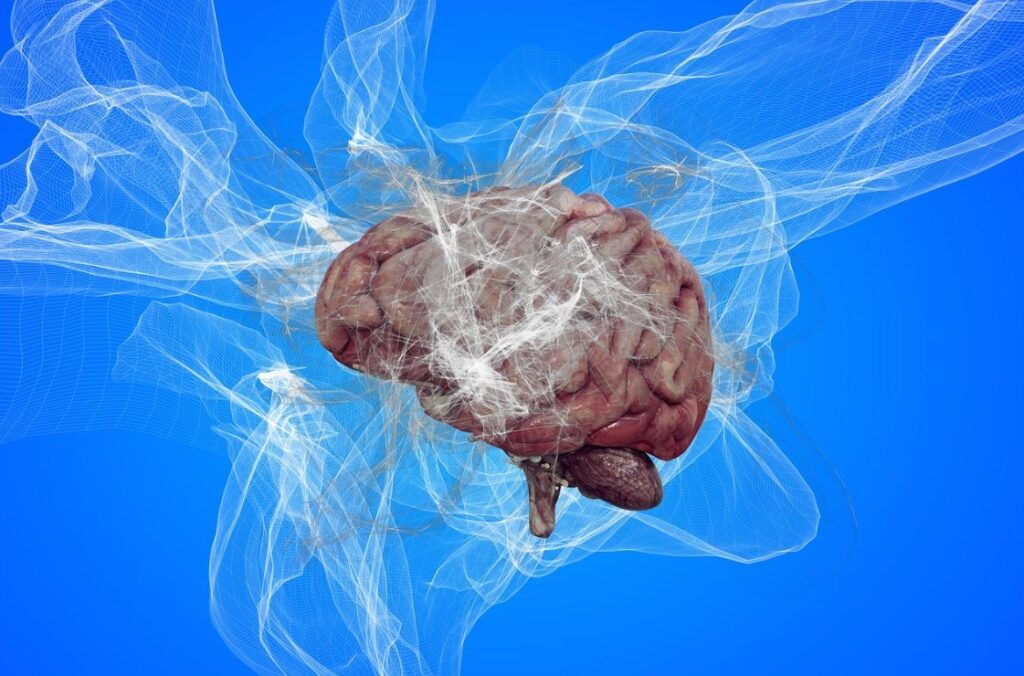
In nature, it is common for organisms to adapt to their environment through evolutionary processes. Giraffes in the savannah have long necks, and camels in the desert have humps with fat. However, humans are the only species that have gradually adapted their environment to their needs. We have built cities and developed sanitary and energy infrastructure. We have created our own niche.
Nonetheless, there is one catch: we have not always managed to balance the functioning of the environment well, and this sometimes leads to so-called “evolutionary mismatches.” These are situations in which we do not live in a way that we are biologically adapted to, resulting in various negative phenomena.
A typical example is diet. We consume large amounts of industrially processed foods high in sugar and fat because our taste buds evolved in an environment of scarcity and difficult access to food. In today’s world of abundance, these instincts systematically lead us to overeat.
We see a similar mismatch in movement. Our ancestors moved almost constantly – walking, carrying, working with their own bodies – and only occasionally performed short bursts of intense activity. Modern life is based on sitting all day, with a single “hour of exercise” thrown in. However, this is unnatural for the body. The same applies to sleep. For thousands of years, people woke up with the sun and fell asleep after dark. Today, we are surrounded by artificial light and screens that disrupt our circadian rhythm. For these reasons, it makes sense to look at how people ate, exercised, and slept in the past and let ourselves be at least partially inspired by these past ways of living.
However, there is one important area where this approach does not apply. In fact, the opposite is true, and trying to “live the paleo way” has negative consequences. That area is our cooperation with other people.
Here, we cannot rely on our natural instincts. For the vast majority of our evolutionary history, we lived in small groups and tribes where cooperation was based on reciprocity and personal reputation. This taught us to judge cooperation with others by their intentions and motives. When someone acted altruistically, the result was successful cooperation and more resources for all of us. Conversely, selfish pursuit of one’s own interests was always to the detriment of the whole. This is how heuristics arose in our psyche: pursuing one’s own interests = bad; altruistic behaviour = good.
However, in a modern economy based on the division of labour throughout society via the market, this heuristic does not work. It represents an “evolutionary mismatch.” Unlike diet, exercise, and sleep, however, we do not need to return to our “roots,” but rather abandon them. We must learn to understand the principles of how a market economy works and accept the fact that is counterintuitive to our paleo-mind: in today’s world, pursuing one’s own interests within market institutions is the best way to organize cooperation in society. We must understand that a financially successful person can also be socially beneficial.
Conversely, if we allowed ourselves to be guided by our paleo instincts in the area of cooperation, we would destroy the foundations of modern economies. This would eventually lead to poverty, hunger, and the collapse of the world as we know it. That is why, in my new book, The Origin of Prosperity, I try to explain to people many counterintuitive insights from economics and help them “unlearn” our natural but incorrect understanding of how cooperation works in today’s world. Our future prosperity depends on it.
This article was originally published in Hospodárske noviny, 21 January 2026
Continue exploring:
Trade Agreement with Mercosur Does Not Mean Free Trade
Wolfgang Münchau on His New Book “Kaput. The End Of The German Miracle” [INTERVIEW]