


In this episode, we talk about European resilience and solidarity, how the EU has responded to the COVID-19 crisis, and the importance of European public.
When we face serious problems, such as economic crises, the people, at least in France and Spain, prefer to leave the government in calmer hands – perhaps less charismatic, but better prepared.
There is an urgent need for stating that no one is less or more deserving of sympathy, support, and protection because of their physical proximity, skin color, or any other reason. This is a lesson we must learn from, an opportunity to reflect on our past mistakes.
You can choose what to believe in, you will always find politicians, opinion leaders, celebrities, and even pseudoscientists who will not only strengthen your beliefs, but also fuel them for the sake of their own popularity and profit.
With the help of Poland’s right-wing PIS government, the Belarusian leader Lukashenko engineered a humanitarian crisis on Europe’s doorstep. In doing so, he is successfully eroding the European Union’s remaining claim to moral authority.
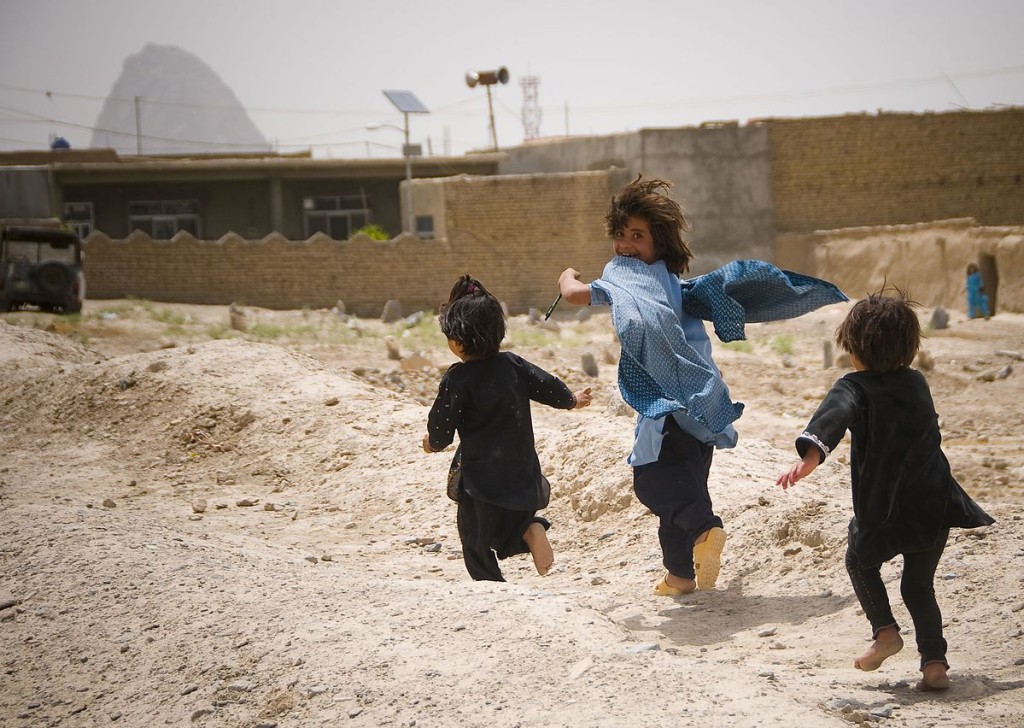
Afghanistan is in immense economic and social insecurity and on top of that, millions of people are wondering what to expect in the upcoming period, after the violent Taliban takeover. Are the Taliban concerned with how children’s lives change?
“More free market or more government? How to strengthen post-pandemic recovery?”. It was the title of a panel hosted by the FOR during the Economic Forum in Karpacz, Poland, the largest conference of its kind in Central and Eastern Europe. The panel was supported by Friedrich Naumann Foundation for Freedom. Agata Stremecka, President of FOR, moderated the discussion.
Some respected economists identified the issue of consolidation in public budget already in 2022 as a third-order problem. From an analytical point of view, he is, of course, right. A one-year deficit of 10% of GDP is nothing compared to a permanent two to five per cent deficit in the pension system with a declining workforce.
The year 2000 was challenging not only for the global economy, but also for economists. They were also hit by the crisis: economic forecasts vanished within a day. However, the need to assess the economic situation and likely scenarios of economic development remained.