
editorial partner Liberte! Friedrich Naumann Foundation

Lithuania

Lithuania Overtakes Estonia on Investment for the First Time
Economy
Lithuania Overtakes Estonia on Investment for the First Time
For the first time since 1995, investment as a share of the economy is higher in Lithuania than in Estonia. According to Eurostat, gross fixed capital formation in Lithuania amounted to 22.1% of GDP in the first quarter of 2026, while in Estonia it fell to 21.7%. Lithuania remained ahead in the second quarter, with investment reaching 22.4% of GDP, compared with 22.1% in Estonia.

Why Does Lithuania Have Twice Poland’s Unemployment Rate?
Economy
Why Does Lithuania Have Twice Poland’s Unemployment Rate?
Unemployment insurance should serve as a financial cushion when someone unexpectedly loses their job, rather than as a system that encourages people to remain outside the labor market at others’ expense. Yet, Lithuania spends around five times more of its GDP on unemployment-related benefits than Poland, while its unemployment rate is more than twice as high. Poland’s experience shows how much labor-market rules and incentives can matter.
When Unemployment Pays More Than Work: Lithuania’s Benefit Trap
Economy
When Unemployment Pays More Than Work: Lithuania’s Benefit Trap
The new agreement of Lithuania’s governing coalition includes a commitment that “people who work must not be worse off than those who do not”. According to experts at the LFMI, this principle is particularly relevant when assessing the unemployment insurance system. Yet in Lithuania, unemployment can still be more financially rewarding than work, especially in lower-skilled and lower-paid jobs.
Will Collective Labor Conflicts Undermine Economic Growth?
Economy
Will Collective Labor Conflicts Undermine Economic Growth?
According to the explanatory note of the draft law, strike activity in Lithuania remains consistently low, while in countries such as France, Italy, and Belgium, strikes are a common and effective tool for defending workers’ interests. But do collective labor conflicts actually improve workers’ well-being in the long run?
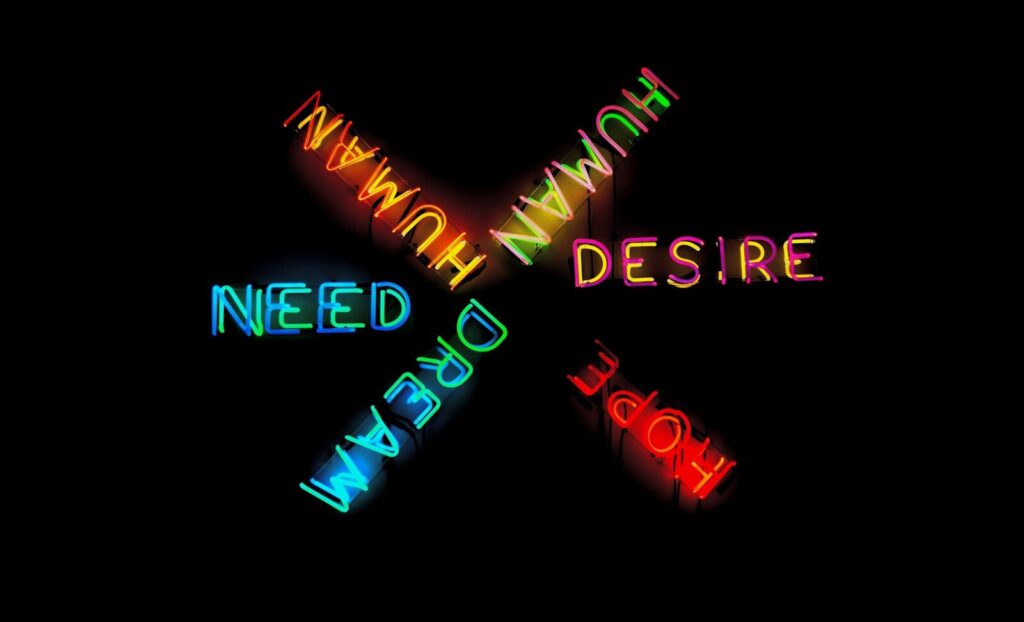
I Want More: Hunger That Makes Us Human
Society
I Want More: Hunger That Makes Us Human
“I want more!” – the refrain of Lion Ceccah’s song, chosen to represent Lithuania at the Eurovision Song Contest, seems to have touched something deeper than pop taste alone. Eurovision is Europe’s great annual song contest: a glittering spectacle, a national showcase and a shared cultural ritual watched by millions. For a few minutes on that stage, a country’s song becomes its voice to the world. And Lithuania’s voice this year says: I want more.
Pension Dilemma: Lesson from Estonia
Economy
Pension Dilemma: Lesson from Estonia
Next year, participants in Lithuania’s second-pillar funded pension system will face a personal financial referendum: to stay and save, to withdraw and leave, to transfer savings to the third pillar of the pension system, or to invest independently. Estonia tried the same approach in 2021, and economists at its central bank assessed the consequences. Estonia’s experience is highly relevant for Lithuania – similar outcomes are plausible here as well. 
Europe’s Competitiveness Drama
Economy
Europe’s Competitiveness Drama
Competitiveness is a strange beast—always measured against outsiders, yet forged internally. In her annual address, European Commission President Ursula von der Leyen reminded us of a hard truth, one that “after Draghi and Trump” can no longer be ignored: competitiveness is not a game; it is a matter of survival.
Lithuanian Free Market Institute Celebrates Its 35th Anniversary: Think Tank That Transformed Lithuania’s Economic Path
Think Tank News
Lithuanian Free Market Institute Celebrates Its 35th Anniversary: Think Tank That Transformed Lithuania’s Economic Path
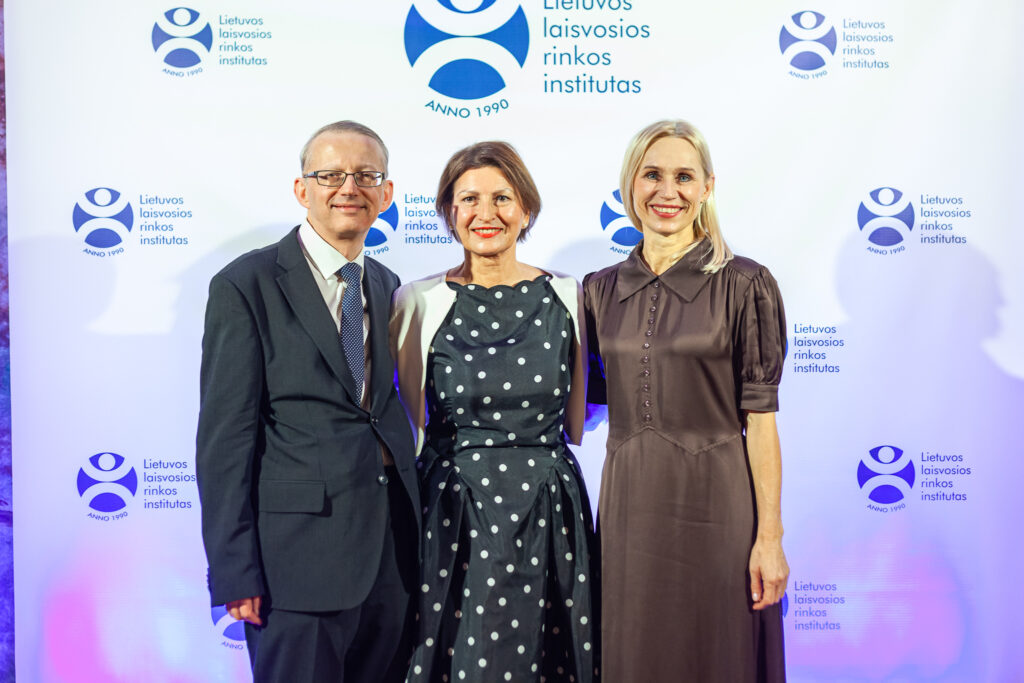
The Lithuanian Free Market Institute (LFMI) marks its 35th anniversary—a milestone for an organization that began its work at the dawn of Lithuania’s independence and has since become one of the most influential incubators of public policy ideas in the region. Founded on November 20, 1990, the Institute laid the groundwork for individuals to live and create in a free market and for the state to act responsibly and efficiently.