


editorial partner Liberte! Friedrich Naumann Foundation

Lithuania

Position on <i>Equal Pay for Equal Work</i>
Economy
Position on Equal Pay for Equal Work
Under EU legislation, Member States are required to abolish any legal provisions contrary to the principle of equal treatment and have to introduce measures that would facilitate getting legal remedies in cases of alleged violations of equal treatment.
LFMI Holds Second Nation-Wide Economics Exam
Think Tank News
LFMI Holds Second Nation-Wide Economics Exam
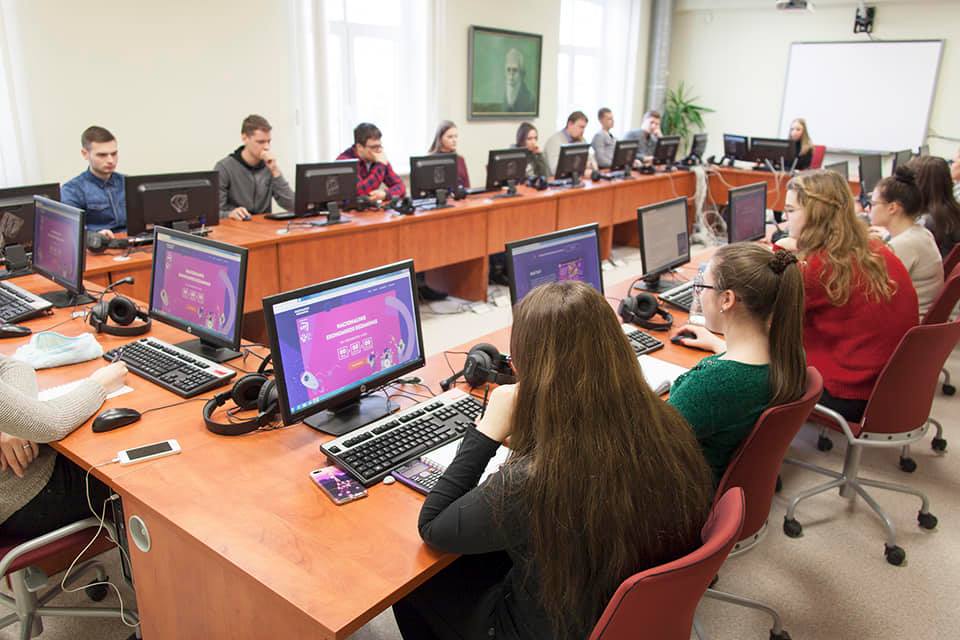
On March 27, 2019, the Lithuanian Free Market Institute (LFMI) ran the second edition of the National Economics Exam. Aimed at promoting economic literacy and the relevance of economics education, the exam is intended for all citizens interested in measuring their knowledge of economics.
Progressive Taxation and Inequality
Economy
Progressive Taxation and Inequality
Progressive taxation is considered to be the most popular measure to reduce income inequality. The aim of the conducted research was to enlighten this discussion by exploring to what extent the progressiveness of PIT is a decisive factor in reducing income inequality.
Employment Flexibility Index 2019 Shows Biggest Leap for Lithuania
Economy
Employment Flexibility Index 2019 Shows Biggest Leap for Lithuania
The 2017 labor law reform significantly improved Lithuania\'s position in the Employment Flexibility Index, moving the country from the 27th to 15th position among the EU and OECD countries, according to Employment Flexibility Index 2019 compiled by LFMI based on the World Bank\'s Doing Business data.
LFMI Holds a Conference on the Shadow Economy
Think Tank News
LFMI Holds a Conference on the Shadow Economy
On November 15, 2018, the Lithuanian Free Market Institute (LFMI) held a conference on the shadow economy in Vilnius to address the scope and drivers of the shadow economy in Lithuania and across Europe and to discuss the most effective policies in tackling the issue.
Shadow Economy: Understanding Drivers, Reducing Incentives
Economy
Shadow Economy: Understanding Drivers, Reducing Incentives
The aim of the publication Shadow Economy: Understanding Drivers, Reducing Incentives is to present and analyse the results of representative population surveys into public perceptions of the shadow economy and engagement in illicit activities that were conducted in six countries.
Effects of Tobacco Taxation
Economy
Effects of Tobacco Taxation
Taxation of tobacco products raises severe economic and social concerns which should be taken into account when formulating further tobacco taxation policies, including on novel tobacco products. Increased education rather than higher excise duties should be the main policy.