



Art as a tool for understanding the world. Collaboration and community as a response to the tensions that affect us all. I am looking forward to the 25th anniversary edition of the Fotofestiwal in Lodz, Poland. The event tackles the most significant challenges of our time – from the crisis of democracy and climate disasters, through the impact of artificial intelligence on visual media, to the complex relationship between humans and the animal world. It proposes a view of photography as a space for dialogue, critical thinking, and building new forms of community. In a world where so much divides us, the visual image once again becomes what connects, preserves, and documents.
One… Two… Three… Who Is Watching?
Our attitude toward other animals reflects the way we understand ourselves and the world around us. Since prehistoric times, humans and animals have shared a deep bond, which, with the development of civilization, has taken on increasingly complex forms. As noted by British visual artist and writer John Berger, the author of the essay Why Look at Animals?, for millennia we have shared the same space, observing one another with a mixture of fascination and incomprehension. The exhibition *We, the Animals* (My, zwierzęta) is an invitation to examine our relationship with our non-human companions – critically, attentively, and with tenderness. The presented projects evoke empathy, but also allow us to view the human species with a degree of detachment. Sometimes they reverse the perspective; other times they show how deeply our lives are intertwined, allowing us to discover new ways of coexisting and move beyond conventional ways of viewing animals.
In this spirit, Nikita Teryoshin presents stray cats as an alternative to the meme-like images of cats found online. Born in the Year of the Pig, Feng Li documents his own life and that of his family, which includes, among others, a pig and several cats. Maija Tammi combines video footage documenting Mother Octopus — who tenderly devotes her life to her children — with her own self-portrait taken shortly after the birth of her child. Marta Bogdanska reflects on how to speak of animal resistance and agency. Alfio Tommasini encourages us to view the animal world as our most ancient teacher. Carlos Alba, meanwhile, documents the lives of London’s red foxes to tell a modern fable about power, labor, and inequality. Ang Siew Ching prompts us to reconsider the cost animals bear in sustaining modern societies. Richard Barnes juxtaposes our deep admiration for nature with our ruthless desire to conquer it, while Jaap Scheeren, in his photo story, reconnects with nature, hoping for love in return.
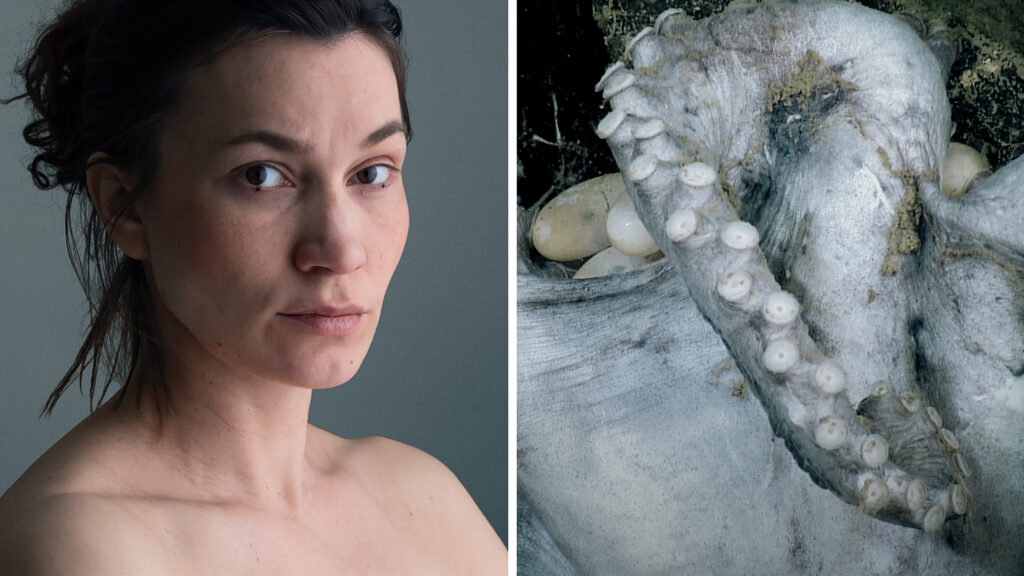
Maija Tammi: Octomom, 2021–2023, details. Promotional use only.
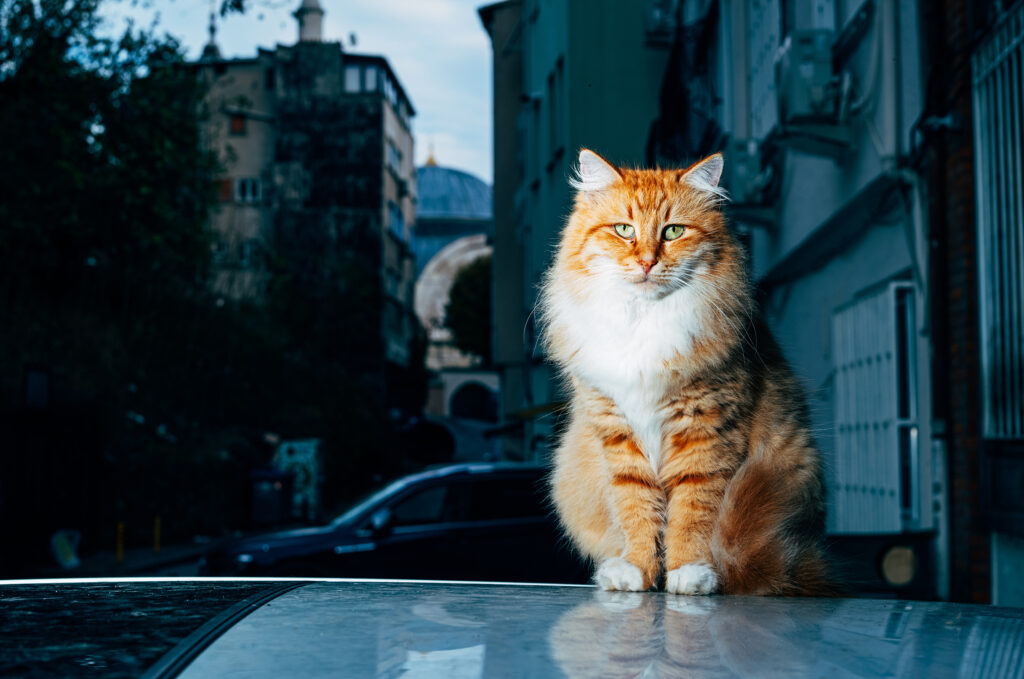
Backyard Diaries Istanbul
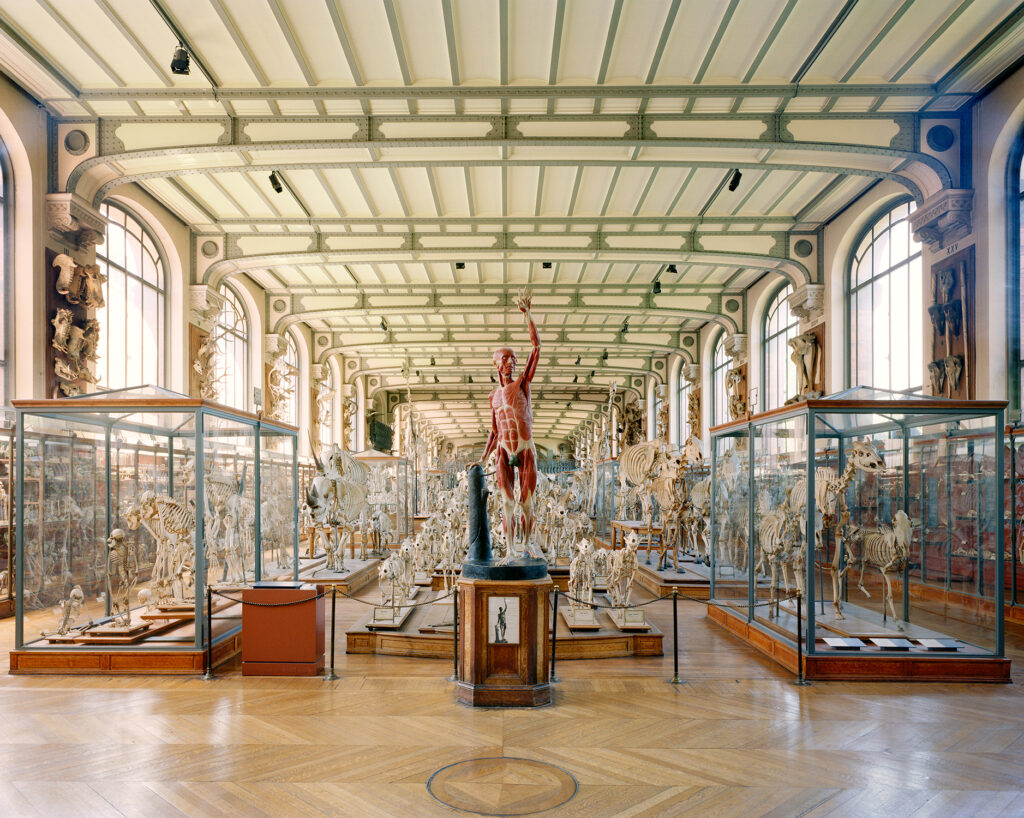
Richard Barnes, Animal Logic(2)
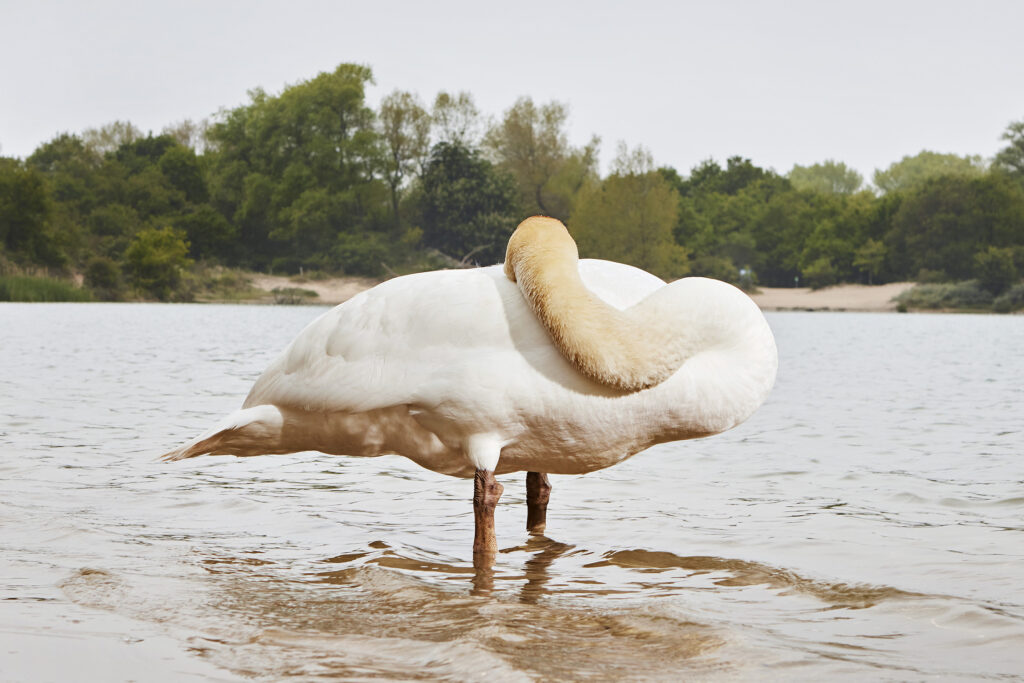
Jaap Scheeren
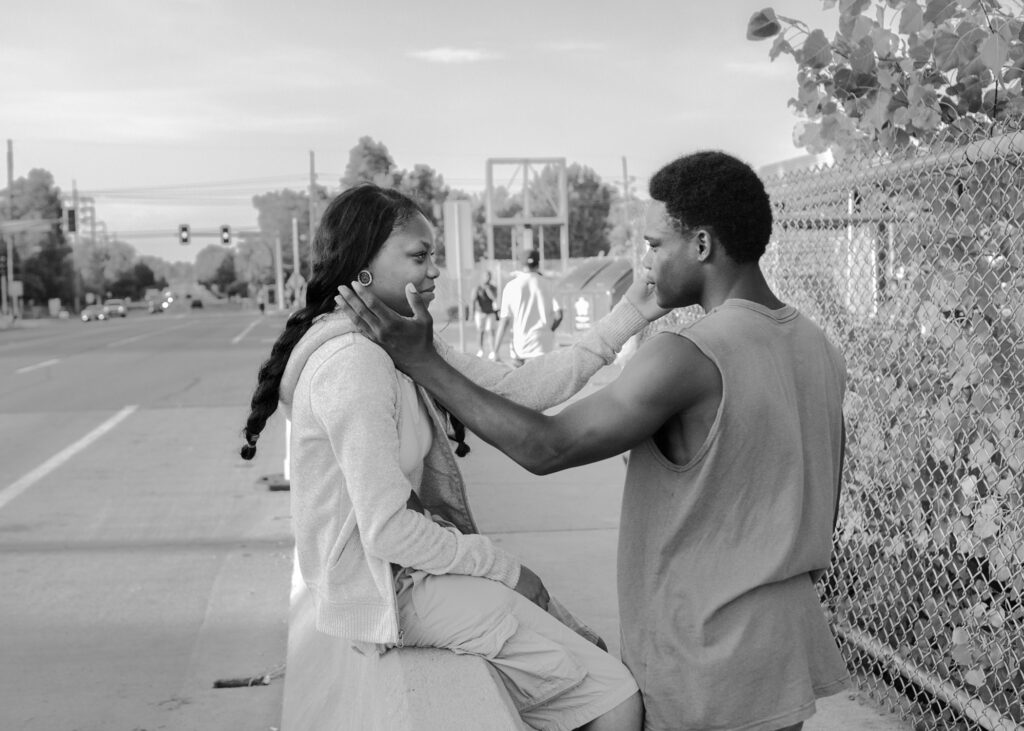
Philip Montgomery / “American Cycles”
Montgomery’s iconic black-and-white photographs offer a rare glimpse into a decade of American history marked by political upheaval and resurgent—often deliberately stoked—social and ethnic conflicts. The artist portrays a society rife with tensions, yet also marked by fragile solidarity, creating a visual map of the contemporary United States. His photographs take us through the defining moments of the past decade: Minneapolis following the killing of George Floyd, Donald Trump’s first populist campaign, the Black Lives Matter movement protests, and the aftermath of natural disasters such as Hurricane Irma. Despite the gravity of the events depicted, Montgomery’s reflection on the dynamics of contemporary America sustains faith in the strength of solidarity and the power of community. His photographs, filtered through the artist’s distinctive sensibility, reveal America as it is – candid and raw.
Philip Montgomery: Lovers on Florissant // Ferguson, Missouri (2014)
Quotes from Reality
Distinctive voices and bold visions – the Fotofestiwal Open Program is a showcase of the most intriguing, original projects. Though each stems from a different geographical and cultural context – from London and Helsinki to the Amazon, Kathmandu, or Palestine – the artists examine moments when everyday life reveals its hidden structure: at work, in the landscape, in interactions with other people, or in political narratives. The artists employ various visual strategies, ranging from documentary and performance to staging and archival work.
In Eleonora Agostini’s works, a restaurant becomes a stage for social theater. Tommaso Protti depicts the brutal reality of the Amazon, where environmental exploitation intertwines with violence against local communities. Mari Mäntynen explores the moment of first encounter as a space for negotiating trust, distance, and closeness, while Eleana Konstantellos André reveals the mechanisms behind the creation of social myths and the politics of fear. Arhant Gurung Shrestha takes us to Nepal, where photography becomes a tool for working through trauma and an attempt to rebuild trust. For years, Tanya Habjouqa has been observing and documenting the Palestinian struggle for dignity and survival amid political and ecological violence.
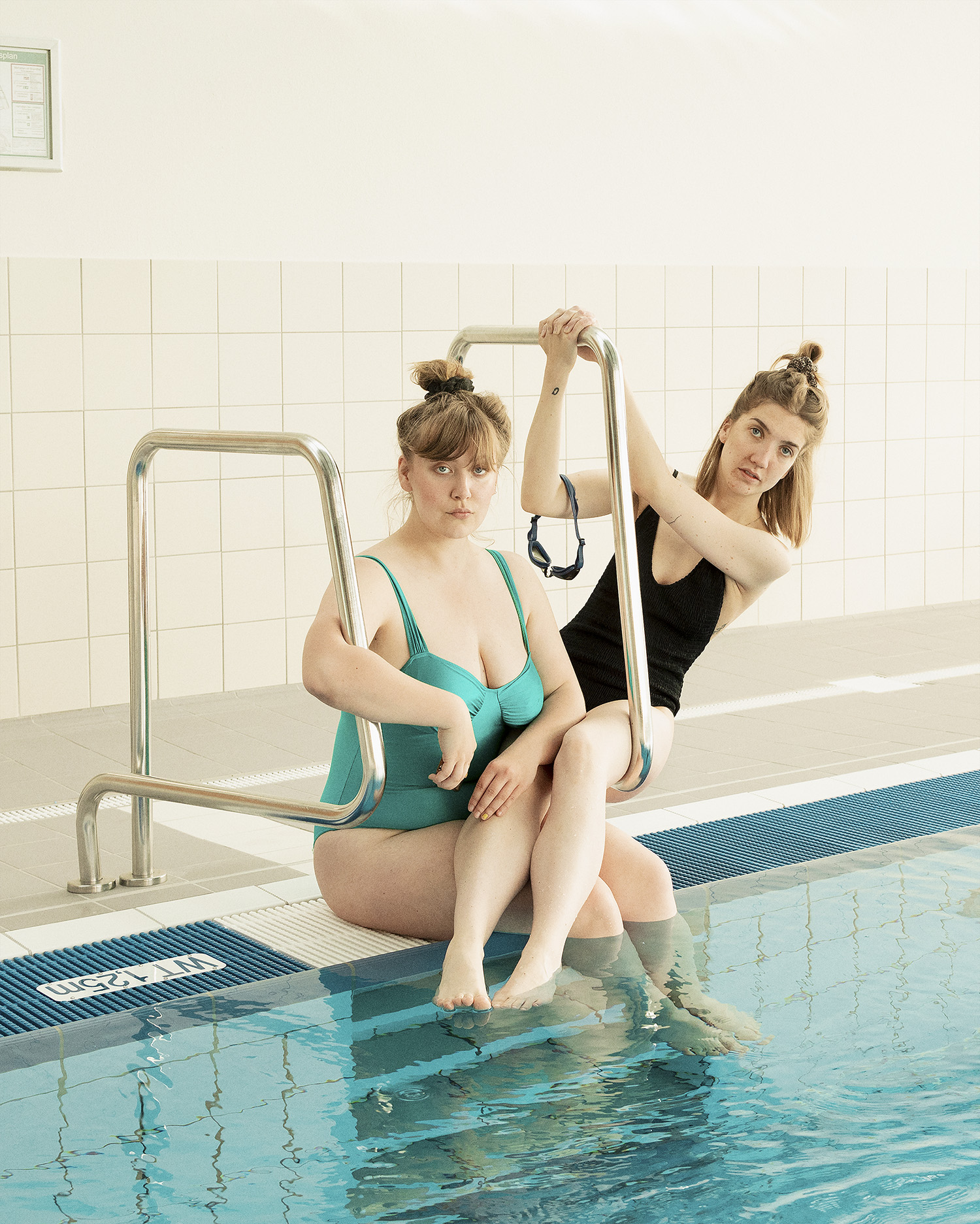
Mari Mäntynen, Stranger (Leslie), 2025
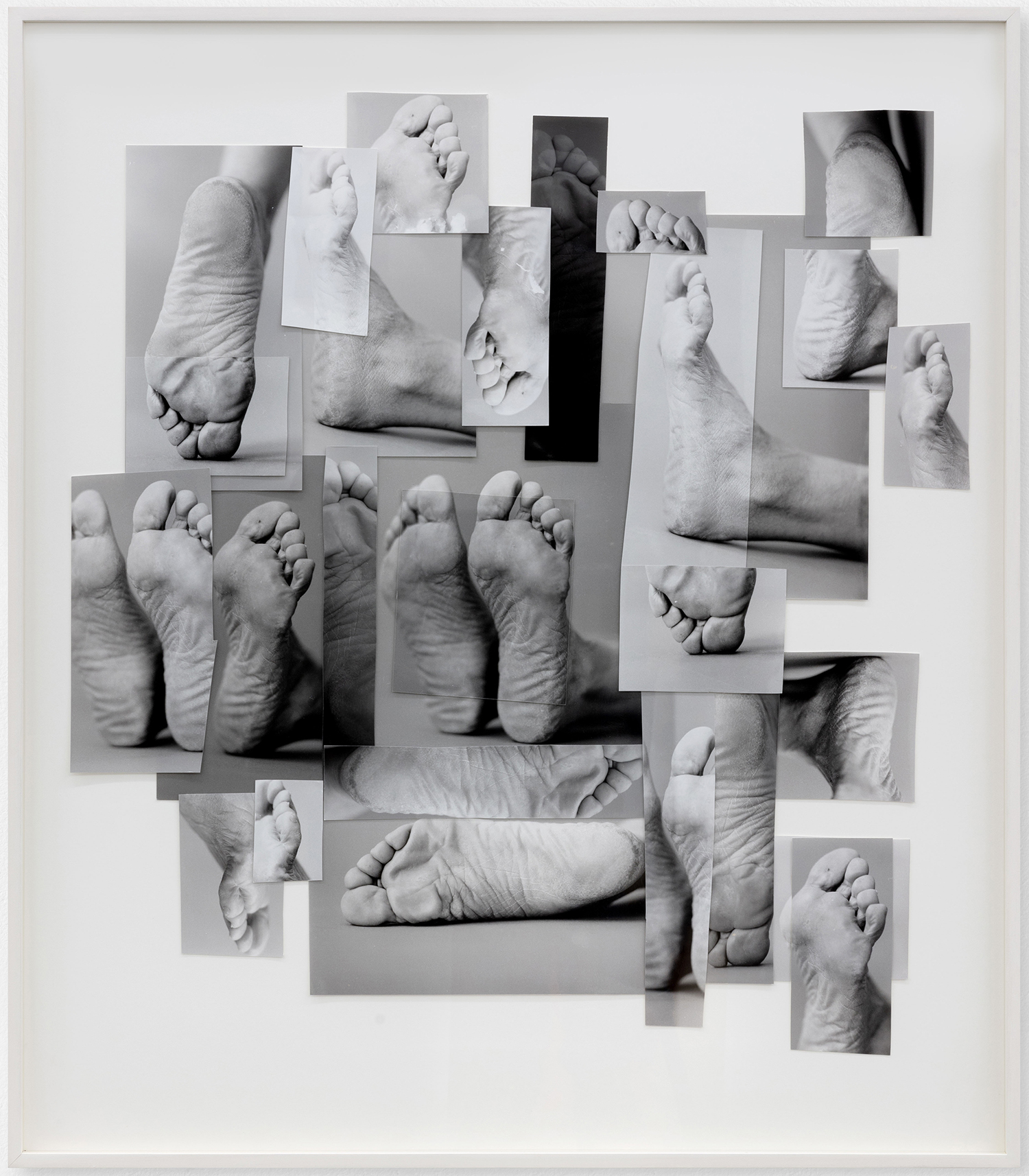
Eleonora Agostini, A Study On Waitressing (2020-2024)
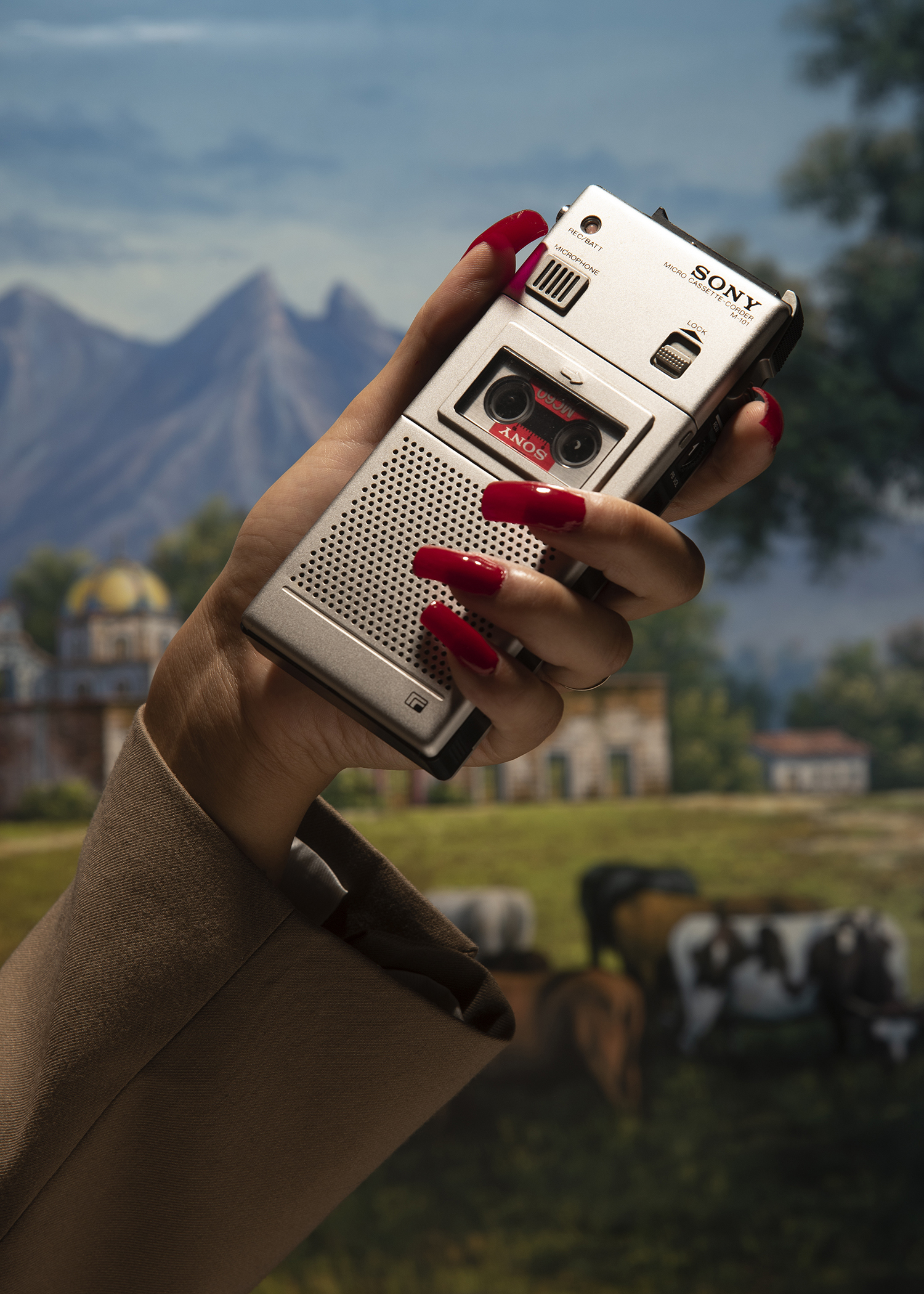
Eleana Konstantellos André, Chupacabras (2021)
Heritage Lens: Slow Disappearance, or a Look at Ecological Catastrophe
What connects the drying up of the Po Delta, the sand on the Curonian Spit, the algae on the shores of southern Spain, the sounds of birds in Friesland, deforestation in Slovakia, urban changes in Helsinki, and the flood in Valencia? Twelve artists have tackled the theme of climate change’s impact on Europe’s cultural heritage. The exhibition is the result of the two-year Heritage Lens project, a response to intensifying climate change and the threats it brings.
Artists: Arianna Sanesi (Italy), Constanze Flamme (Germany), Emma Charrin (France), José Witteveen (Netherlands), Katrina Rinke (Latvia), Marco Lumini (Italy), Mateusz Pecyna (Poland), Ola Skowronska (Poland), Pedro Marcano (Venezuela), Gema Galán (Spain), Toivo Heinimäki (Finland), Michaela Nagyidaiová (Slovakia).
See you in Lodz, Poland, from June 18 to 28, 2026!
The article was originally published in Polish at: https://liberte.pl/25-lat-fotofestiwalu-w-lodzi/
Written by Alicja Mysliwiec-Konieczna – a Polish radio and television journalist. She hosts the program “Odbicia Kultury” on Chilli Zet radio. She also contributes to the “Dzień dobry TVN” program. She was nominated for a Grand Press Award for her interview with Paweł Passini (2023), which appeared in the Liberte! magazine. A cultural education activist. A festival organizer (Summer Film Academy in Zwierzyniec, previously Mastercard Off Camera, Dwa Brzegi).