


Civic Environment Index
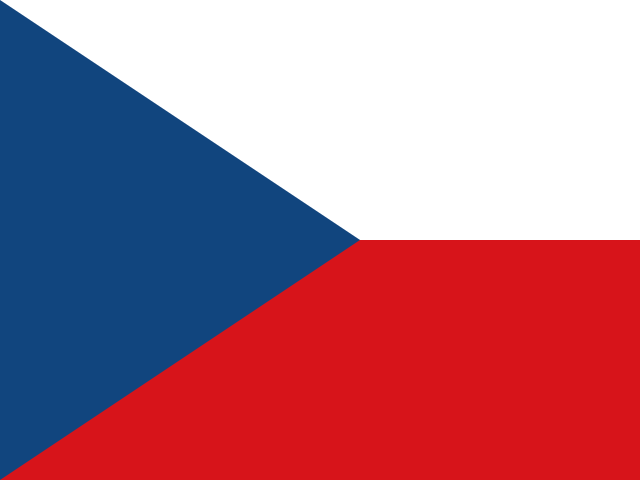
Czech Republic
- A Institutional and Political Environment and Narratives of CSOs 3.2 Mostly enabling
- B Legal and Financial Framework for CSOs 4 Enabling
- C Public Engagement and Perceptions towards the Work of CSOs 3.6 Enabling
- D CSOs as Policy Makers 2.2 Restrictive leaning
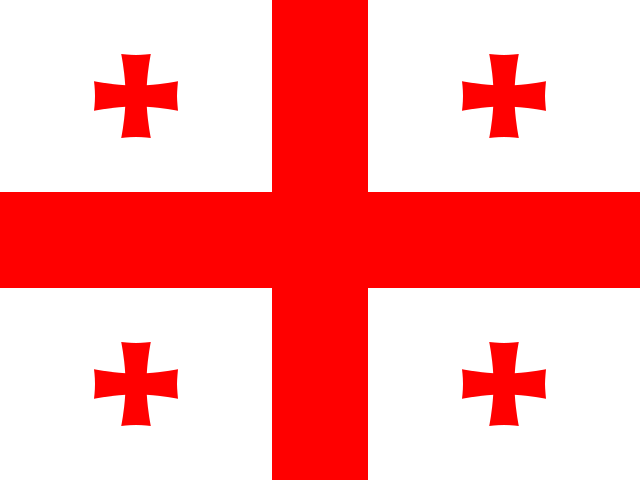
Georgia
- A Institutional and Political Environment and Narratives of CSOs 1.2 Restrictive
- B Legal and Financial Framework for CSOs 1.4 Restrictive
- C Public Engagement and Perceptions towards the Work of CSOs 1.6 Restrictive leaning
- D CSOs as Policy Makers 1 Restrictive
Hungary
- A Institutional and Political Environment and Narratives of CSOs 2.6 Mostly enabling
- B Legal and Financial Framework for CSOs 3 Mostly enabling
- C Public Engagement and Perceptions towards the Work of CSOs 2.6 Mostly enabling
- D CSOs as Policy Makers 2.6 Mostly enabling
Moldova
- A Institutional and Political Environment and Narratives of CSOs 3 Mostly enabling
- B Legal and Financial Framework for CSOs 3 Mostly enabling
- C Public Engagement and Perceptions towards the Work of CSOs 2.6 Mostly enabling
- D CSOs as Policy Makers 2.4 Restrictive leaning
Poland
- A Institutional and Political Environment and Narratives of CSOs 3.6 Enabling
- B Legal and Financial Framework for CSOs 3.8 Enabling
- C Public Engagement and Perceptions towards the Work of CSOs 3.6 Enabling
- D CSOs as Policy Makers 3 Mostly enabling
Poland ranks in the middle of the European scale, offering a moderately enabling environment for NGOs. Civil society organizations can operate freely, register without major obstacles and engage in public life, though the overall climate is shaped by a mix of supportive and more challenging legal, political and societal factors.
Slovakia
- A Institutional and Political Environment and Narratives of CSOs 1.8 Restrictive leaning
- B Legal and Financial Framework for CSOs 2.8 Mostly enabling
- C Public Engagement and Perceptions towards the Work of CSOs 2.8 Mostly enabling
- D CSOs as Policy Makers 2 Restrictive leaning
Ukraine
- A Institutional and Political Environment and Narratives of CSOs 3 Mostly enabling
- B Legal and Financial Framework for CSOs 3.2 Mostly enabling
- C Public Engagement and Perceptions towards the Work of CSOs 3.6 Enabling
- D CSOs as Policy Makers 2.8 Mostly enabling
-
1.00 – 1.49 Hostile
Systematic obstacles, political pressure and serious restrictions on independent civil society.
-
1.50 – 1.99 Restrictive leaning
A predominantly restrictive environment, with some remaining opportunities for civic engagement.
-
2.00 – 2.49 Mixed – Restrictive Leaning
A mixed environment in which restrictive conditions outweigh enabling factors.
-
2.50 – 2.99 Mixed – Enabling Leaning
A mixed environment in which enabling conditions outweigh remaining restrictions.
-
3.00 – 3.49 Mostly enabling
Generally favourable conditions, although certain barriers and vulnerabilities appear.
-
3.50 – 4.00 Enabling
Strong protections and favourable conditions for independent civil society to operate and participate.
-
Not ranked
-
Civic Space Report 2026
The Civic Space Report measures how free civil society organisations are to operate in seven countries in Central and Eastern Europe. Experts in each country scored the situation from January 2025 to June 2026 against 20 standards. These cover how governments treat civil society, the legal and financial framework, public trust and support, and influence on policy. Scores run from 1 (hostile) to 4 (enabling).